

Choose a website platform around what the business needs to do and who will maintain it. Start with requirements, then compare the current features, costs and account arrangements of the options you are considering.
Define the work first
A service website, online shop and appointment-based business need different functions. List the pages, payments, bookings and integrations you actually need. Separate essentials from features that could come later.
Questions before choosing a platform
1. Functions
Does it support the required tasks and integrations?
2. Editing
Can the person maintaining it use the editor?
3. Costs
What renews, and which extras need paid plans?
4. Portability
What can be moved or exported if plans change?
Compare the ongoing arrangement
Check hosting, domain, email, software licences and support. Some services are bundled; others are separate. Read the renewal price and limits, not just an introductory offer.
Ask who controls the accounts and what access you receive. Check what can be exported and whether the website can be hosted elsewhere. Do not assume all website platforms offer the same portability.
Try the editing process
Ask to see how routine changes are made: editing text, replacing an image and adding a page or product. The suitable choice depends partly on who will handle those tasks after launch.
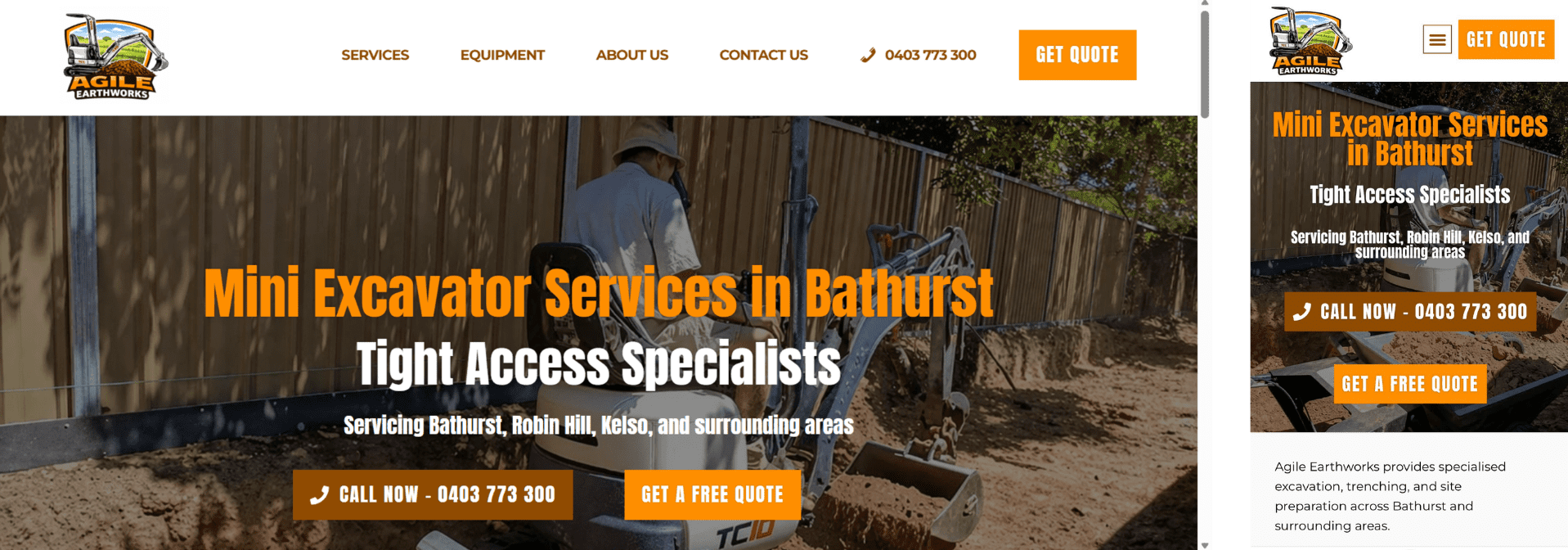
Review how the proposed design works on a phone, but remember that appearance alone does not reveal the platform’s maintenance or integration requirements.
Write down the decision
Keep a short record of why the platform fits, which paid tools it needs and who will maintain it. That gives the project a clearer scope and makes future changes easier to assess.
For a more specific comparison, read the WordPress and Wix guide, which links to official documentation.
