

A website is useful when it helps customers complete a task: understand a service, assess work, find practical details or make a purchase. Different businesses need different content and features. Use these examples to decide what your site should do.
Different Jobs a Small Business Website Can Do
1. E-Commerce Stores
If you sell products online, an e-commerce website is a game changer. Platforms like Shopify and Wix make it easier than ever to set up and manage an online store. Not only does a website allow your customers to browse and shop 24/7, but it also gives you access to a global marketplace.
Example: Clothing brands, beauty product sellers, or home decor stores.
2. Service-Based Businesses
From personal trainers to contractors, service-based businesses can use a website to showcase their services, allow clients to book appointments, and build credibility through testimonials. Websites provide a platform for you to offer detailed information, which is essential when customers are looking to hire someone they can trust.
Example: Hair salons, consultants, or pet care services.
3. Local Restaurants and Cafes
People often search for menus, opening hours, or directions online before heading to a restaurant. A website provides all this information in one convenient place, plus it gives customers the option to order online or make reservations—boosting customer satisfaction and sales.
Example: Independent coffee shops, fine dining, or fast food.
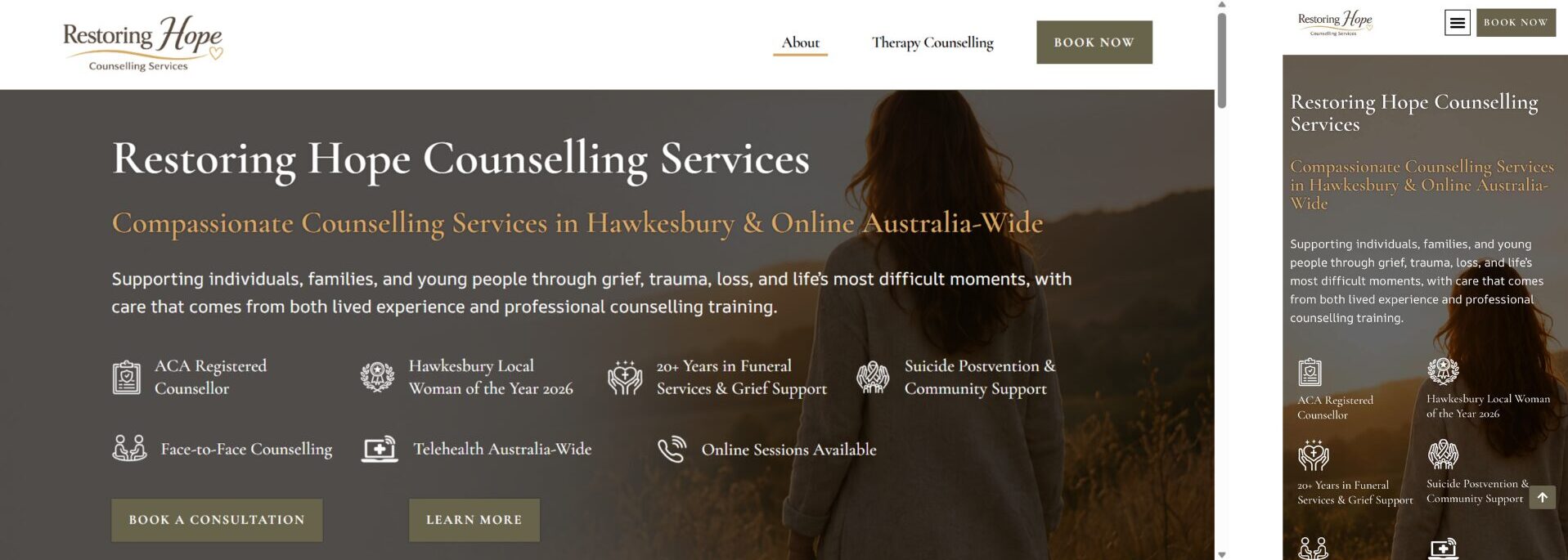
4. Health & Wellness Professionals
Whether you’re a chiropractor, nutritionist, or therapist, having a website is crucial for growing your client base. It’s an easy way to showcase your credentials, explain your services, and even provide online booking options for new clients.
Example: Doctors, therapists, nutrition coaches, or fitness trainers.
5. Freelancers and Creative Professionals
For photographers, writers, and graphic designers, a website acts as an online portfolio where you can showcase your work and services. It helps you stand out in a competitive market and makes it easier for potential clients to contact you.
Example: Graphic designers, photographers, or content creators.
6. Real Estate Agencies
A website is essential for real estate businesses looking to showcase property listings, provide virtual tours, and connect with buyers. Customers often use websites to check availability and book property viewings before contacting an agent.
Example: Property agencies, real estate brokers, or vacation rental services.
7. Educational and Training Services
If you offer courses or workshops, a website is the perfect platform to display your class offerings, share course content, and enable easy registration for students. It’s also an excellent way to build credibility in your field.
Example: Language schools, music teachers, or online course providers.
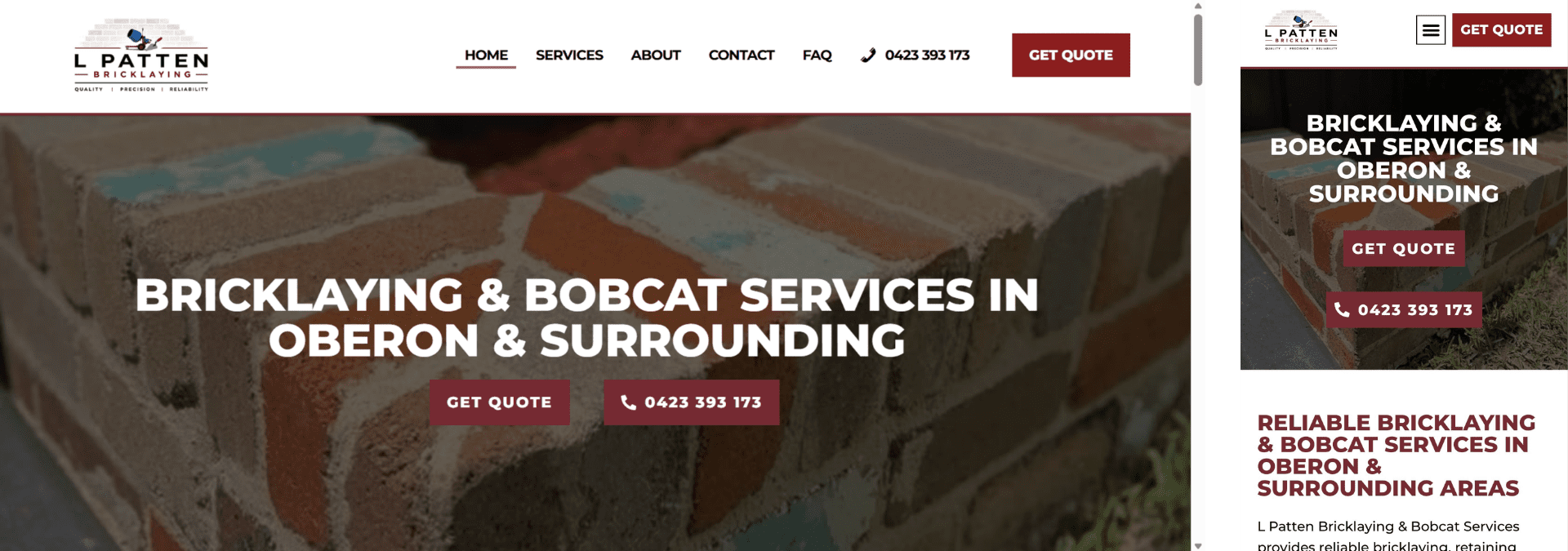
8. Home & Family Services
Whether you’re a landscaper, cleaning service, or handyman, a website helps potential clients quickly understand your services, get in touch, or request a quote. It also builds trust by showing customer reviews and photos of your work.
Example: Cleaning services, lawn care, or plumbing.
9. Nonprofits and Charities
For nonprofits, a website helps you raise awareness, gather donations, and keep your supporters updated with news and events. It’s an essential tool for creating community involvement and building a loyal donor base.
Example: Animal shelters, environmental organizations, or local charities.
Choose the Task Before the Features
Write down the questions customers ask before they contact you. Decide which pages need to answer them and which functions are actually required. A smaller, complete website can be more manageable than a large one with little useful information.
Check the scope, content responsibilities and ongoing costs before accepting a quote. A website can support the business process, but no design guarantees traffic or sales.
