

A mental health practice website should help prospective patients understand the practice and find the correct next step. For a Maryland practice, start with accurate practitioner, service and appointment information approved by the practice.
Explain the practice clearly
Introduce the practitioners and their confirmed credentials. Describe the services offered, the patients the practice sees and how appointments are arranged. Use plain headings so visitors can find the information without reading every page.
Keep details such as location, appointment format, fees and insurance information current. Publish only what the practice has confirmed.
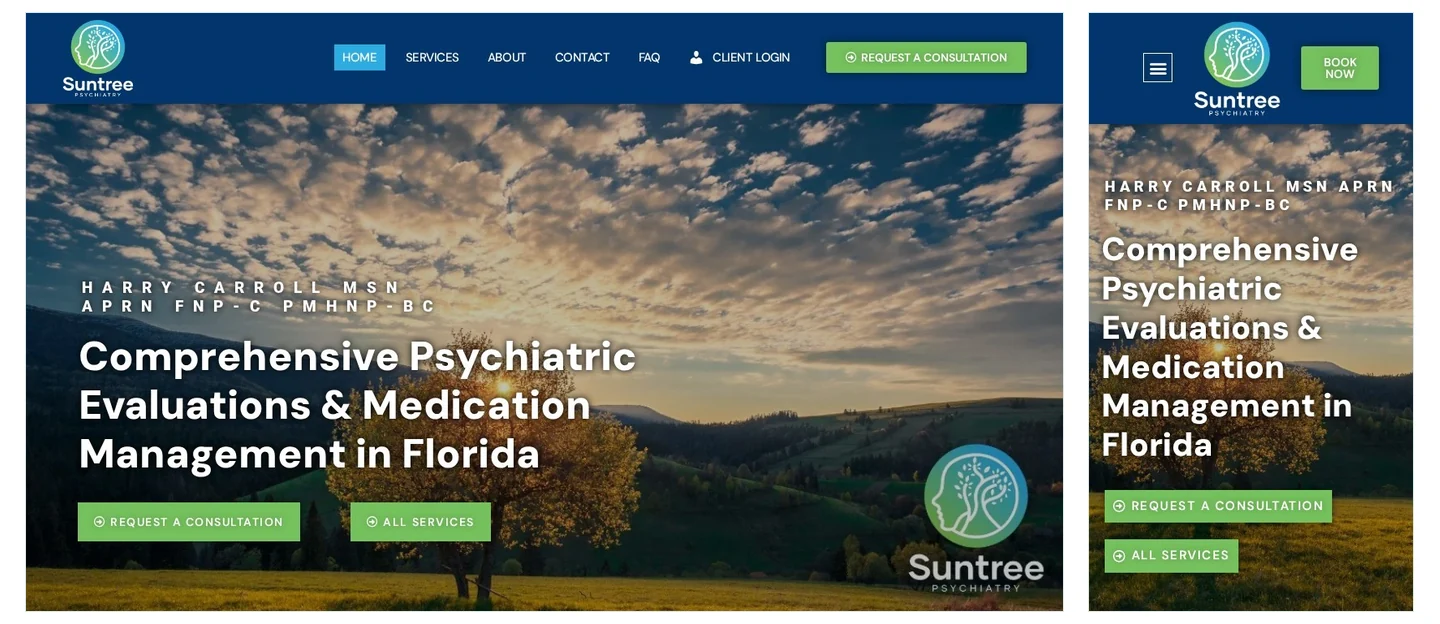
Plan the pages around patient questions
A useful structure may include the practice introduction, practitioner information, services, appointment guidance, frequently asked questions and contact details. Add separate service pages when there is genuinely different information to explain.
Information to confirm before the build
1. Practice
Names, credentials and approved background details.
2. Services
Actual services, suitability and limitations.
3. Appointments
Booking route, format and practical instructions.
4. Contact
Correct channels and what visitors should send.
Keep contact and booking routes clear
Decide whether a visitor should call, request an appointment or use an existing practice portal. Test the chosen route on a phone and computer. Explain what the form is for and avoid asking for unnecessary personal information on a general enquiry form.
Specialist intake, messaging and clinical workflows need to be reviewed separately with the practice and the relevant provider. A website design should not be used as evidence that every connected tool meets the practice’s requirements.
Review readability and accessibility
Use readable text, clear headings, labelled controls and relevant images. Test navigation and forms, including keyboard use. W3C’s accessibility evaluation resources explain why both tools and human checks matter.
Work from an agreed scope
Confirm page count, content responsibilities, revisions, third-party fees and ongoing maintenance before building. Blair at Easy Flow works remotely with US practices. The mental health website package information provides a starting point for discussing scope.
