

A blog is useful when you have customer questions to answer or real projects to explain. You do not need to publish filler just to make a website look active.
Start With a Real Question
Keep a list of questions customers ask before they enquire. Choose one you can explain from experience. Give a clear answer and use a worked example where it helps.
A useful article structure
1. Question
Make the topic clear in the heading and opening.
2. Explanation
Answer the practical details in plain language.
3. Example
Use a real image, diagram or comparison.
4. Next step
Offer a relevant link without repeated sales prompts.
Use Images to Explain
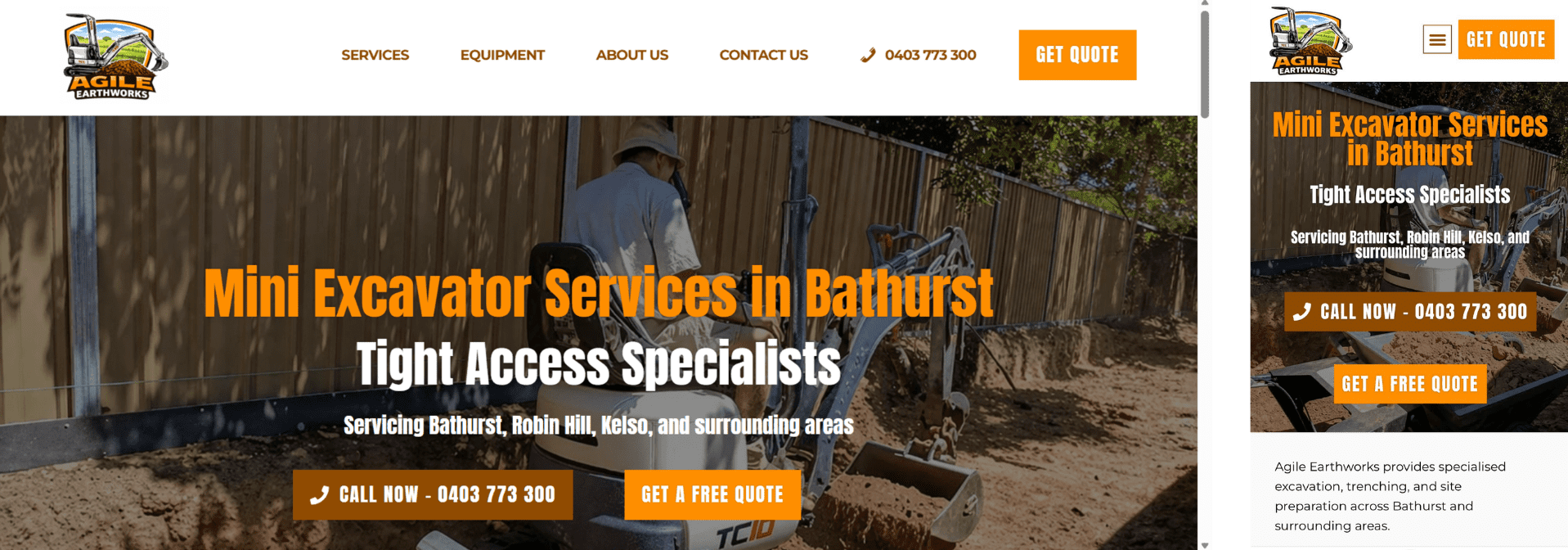
A project preview can show the work, a photograph can illustrate a process and a diagram can clarify a comparison. Add captions that explain the connection and keep important details in readable text.
Keep the Article Focused
Use descriptive headings, manageable paragraphs and one clear purpose. Remove repeated conclusions and unsupported statistics. A guide does not need to become a package advertisement.
Maintain What You Publish
Review prices, dates, provider details and links when they change. Improve an existing useful page rather than publishing a near-duplicate. Assign responsibility for comments if they are enabled.
Choose Quality Over Volume
Start with a small set of useful topics you can maintain. If there is no meaningful question or example, there is no need for another post. Judge the resource by whether it helps customers.
